
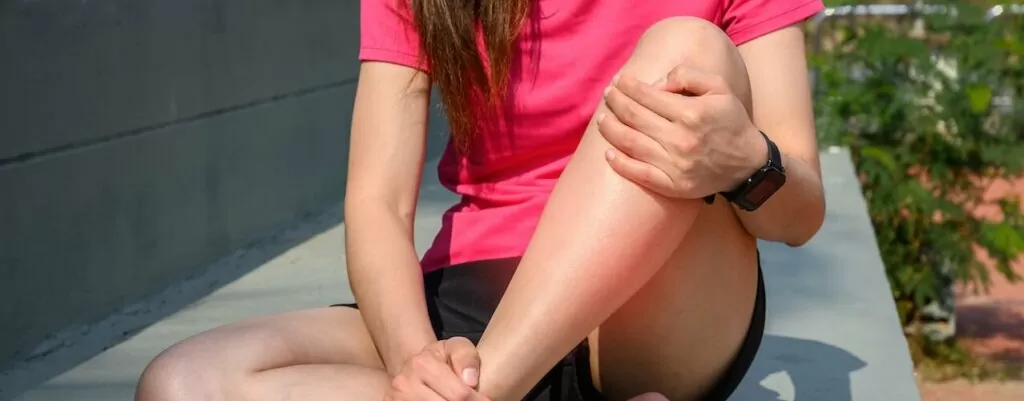
Shin splints are a common complaint among runners, estimated to affect up to 35%. Shin splints can force you to take a break from your training routine. But the good news is, with the proper knowledge and approach, you can significantly reduce your risk of developing them through shin splint prevention techniques.
Understanding Shin Splints and Their Causes
Shin splints are a pain in the lower leg, usually felt along the shinbone (tibia). Shin pain is caused by inflammation of the muscles, tendons, and bone tissue around the shin. Common symptoms include a dull ache that worsens with activity, especially running or jumping.
Several factors can contribute to shin splints in athletes. Repetitive stress from sudden increases in training intensity or duration is the main culprit. Tight calf muscles and weak foot and ankle muscles can also play a role. Improper footwear that lacks adequate support can also put additional strain on your shins.
How Shin Splint Prevention Tips Can Help You Stay Active
Incorporating shin splint prevention strategies into your routine can significantly reduce your risk of experiencing this painful condition. Our team of experienced physical therapists can create a personalized plan to address any underlying weaknesses contributing to your shin pain.
Training Techniques
Gradual Progression
- Gradually increase your training intensity and duration to allow your body to adapt. This “slow and steady” approach helps prevent excessive stress on your shins.
Cross-Training
- Include low-impact activities like swimming, cycling, or elliptical training on your off days. Cross-training maintains your fitness level while giving your shins a break from the repetitive impact of running or jumping.
Proper Form
- Pay attention to your running form, focusing on a midfoot strike and maintaining good posture to distribute impact forces more evenly.
Strengthening Exercises
Calf Raises
- These exercises strengthen the calf muscles, which absorb impact during activity. You can perform them with bodyweight, dumbbells, or a resistance band.
Tibialis Anterior Raises
- These target the muscles on the front of your shin, which help with stability and ankle control. Perform them by raising your toes while keeping your heels on the ground.
Ankle Strengthening Exercises
- Exercises like single-leg balance and toe taps improve overall ankle stability, reducing stress on your shins.
Footwear Selection
Cushioned Shoes
- Choose well-fitting shoes with good shock absorption in the soles. Replace your shoes regularly, typically every 300-500 miles for runners, to ensure optimal cushioning.
Supportive Footwear
- Look for shoes with good arch support, especially if you have flat feet. Consider consulting a physical therapist for recommendations on orthotics if needed.
Don’t Let Shin Splints Slow You Down: Take Action Today!
Remember, early intervention is key! If you’re experiencing any pain along your shins, don’t ignore it. Schedule a consultation with our team of experienced physical therapists. We can assess your situation, develop a personalized prevention plan, and guide you through exercises and stretches to keep you active and pain-free.
Call our team at BayLife PT & Rehab, Quality Performance Rehab, Back In Action PT, & Florida PTI in Florida today to take control of your shin health and get back to doing what you love!
Tags: pain management, Injury Prevention, running tips, shin splints